
Inverse Condemnation
The Role of Expert Witnesses in Inverse Condemnation Cases

When the government damages private property or takes it away without following formal eminent domain procedures, the property owner may pursue a legal remedy known as inverse condemnation. These cases can be difficult to prove, especially when the government denies liability or disputes the extent of the harm.
When a Utility Project Impacts Your Business: Temporary Takings and Compensation in California

It’s not fair for your business to lose foot traffic, access, or visibility for weeks or even months because of a nearby government utility project. If your California business has suffered due to road closures, blocked entryways, or construction-related disruptions, you may be entitled to compensation.
Suing for Water Damage: Can You File an Inverse Condemnation Claim in California?

Water damage can be catastrophic—but when that damage is caused by a city pipe burst, failed storm drain, or other public infrastructure, you may have the right to sue the government under California’s inverse condemnation laws. These claims allow property owners to recover compensation even when the government didn’t intentionally seize their land.
How to Protect Your Business Property From Government Takings in California

If you’re a business owner in California, your property isn’t just a place—it’s a core asset that supports your livelihood. But what happens when the government decides to take that property for a public project?
Whether it’s for a highway expansion, utility infrastructure, or urban redevelopment, government taking of business property in California is a real and pressing threat that can have long-term consequences for your operations.
Inverse Condemnation: California Courts Hold Utilities Liable for Wildfire Damages

California has endured a relentless onslaught of wildfires in recent years, devastating homes, displacing communities, and causing billions in property losses. Investigations have repeatedly pointed to utility companies as the origin of some of the most destructive blazes.
Legal Strategies for Wildfire Victims: The Power of Inverse Condemnation Claims

Los Angeles wildfires have become a devastating reality for many homeowners in Southern California. With every fire season, residents face the harsh possibility of losing everything—their homes, their memories, and their sense of security. If you’ve been impacted by a wildfire in LA, understanding your legal options is crucial. Among the most powerful strategies for recovery is filing an inverse condemnation claim, a legal path that could help you recover losses if a government agency or utility company is responsible for the wildfire damage.
Inverse Condemnation: Per Se Takings and Exactions

Inverse condemnation is when a government entity takes private property for public use without formally invoking its eminent domain powers. This may include physical occupation, regulatory actions restricting property use, or other actions diminishing property value.
How Inverse Condemnation Claims Arise from Damaged Property

As a property owner, you have the right to bring an inverse condemnation action when your property has been effectively taken or damaged due to government action or the government’s failure to act. This includes physical appropriation and regulatory actions that lead to a loss in your property’s value.
How To Know Whether You Have an Inverse Condemnation Case

Inverse condemnation is a legal concept that can be difficult to grasp, making it hard to determine whether you have a strong case. Property owners can overcome challenges in inverse condemnation cases by documenting damages with photos and records, gathering eyewitness accounts, obtaining expert opinions, and collecting relevant government documents.
Inverse Condemnation and California Property Rights
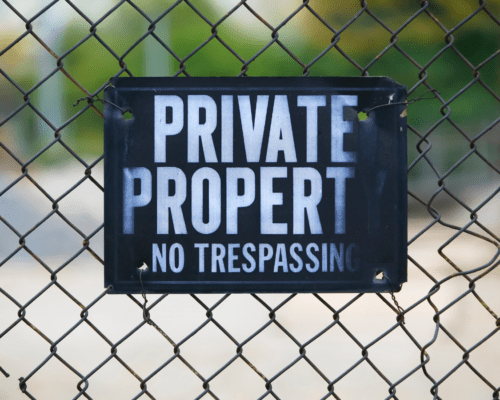
Under the doctrine of eminent domain, government agencies have the legal right to take private property without the owner’s consent for public use. The action of taking the property is known as condemnation. The flip side of eminent domain is inverse condemnation, in which a private property owner files a lawsuit against the government for taking or damaging property. It is essential for property owners to seek legal representation to help protect their rights in the face of government actions.
Call To Reach Us For A Prompt Response
Los Angeles Office: (213) 236-9720
Irvine Office: (949) 955-0127