
How Schools Are Valued in Los Angeles Eminent Domain Cases
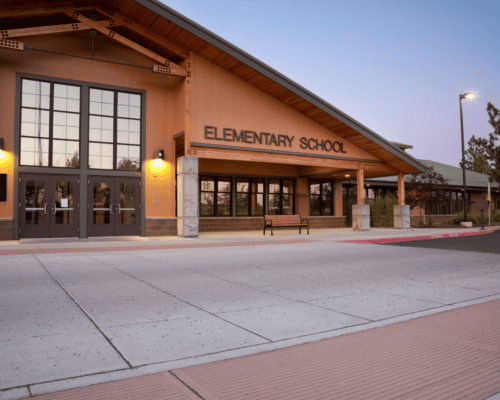
Schools serve a unique purpose in their communities. They educate children, support families, provide gathering spaces, and often function as important neighborhood institutions. When a government agency seeks to acquire school property through eminent domain, determining fair compensation is rarely straightforward.
Unlike office buildings, retail centers, or apartment complexes, schools are highly specialized properties. They are designed for educational use, often subject to strict zoning requirements, and are rarely bought and sold on the open market. As a result, valuing a school in an eminent domain case requires an approach different from that for a typical commercial property.
Whether the property belongs to a private school, charter school, religious school, or educational institution, understanding how valuation works is critical to protecting your rights and ensuring adequate compensation.
John Peterson is a Los Angeles eminent domain attorney with over 38 years of experience representing property owners in California. If your school property has been targeted for eminent domain, Peterson Law Group PC can explain your legal options and provide an accurate assessment of how much your property is worth.
Why Schools Are Different From Typical Commercial Properties
An appraisal that works for a shopping center or warehouse may not accurately reflect the value of an educational facility. Most commercial real estate can be valued using a combination of market sales data, income generation, and investor demand. Schools do not fit neatly into those models.
Many educational facilities are owner-occupied and do not generate income in the same way as investment properties. Their buildings are specifically designed to accommodate classrooms, administrative offices, laboratories, cafeterias, athletic facilities, and student gathering spaces.
In many cases, there are few comparable properties available for valuation purposes because schools are rarely sold in arm’s-length transactions. This creates significant challenges when a government agency attempts to determine the value of school property.
Public Versus Private School Considerations
One factor that can affect valuation is whether the property is publicly or privately operated.
Public Schools
Public school properties are often owned by school districts or government entities. Valuation disputes involving public schools can become complex because taxpayer funding, public infrastructure investments, and governmental ownership interests may influence the analysis.
Private and Charter Schools
Private and charter schools often face different challenges. These institutions frequently operate on land that has been improved specifically for educational purposes, sometimes with substantial private investment.
When a taking occurs, replacement costs can become a major issue because finding suitable educational facilities may be difficult and expensive. Regardless of ownership structure, the focus should remain on obtaining compensation that accurately reflects the property’s value and functionality.
Limited Comparable Sales Create Valuation Challenges
One of the most significant issues in school valuation is the lack of comparable sales. Traditional appraisals often rely on recent sales of similar properties. For office buildings or retail centers, appraisers may have dozens of transactions to analyze. Schools are different.
Educational facilities are rarely sold, and when they are, the circumstances may differ significantly from the subject property. For example:
- A former school may have been sold for redevelopment.
- A private academy may have purchased an existing campus.
- A religious school may have been transferred through a non-market transaction.
- A school building may have been converted into another use entirely.
These transactions may not provide reliable guidance for determining fair market value. As a result, valuation experts often need to consider alternative methodologies.
Specialized Improvements Can Add Significant Value
School properties often include highly specialized facilities, including classrooms, science and computer laboratories, libraries, auditoriums, cafeterias, gymnasiums, and athletic facilities, all designed to support educational programs. Many campuses also feature performing arts centers, administrative offices, advanced security infrastructure, and accessibility accommodations that serve students, staff, and visitors.
Because these improvements are purpose-built and costly to reproduce, they can play a significant role in determining the property’s value in an eminent domain case. Many of these improvements would be expensive to reproduce today.
A government appraisal that focuses too narrowly on land value may fail to account for the substantial investment required to replace these facilities. That’s why replacement cost analysis can be an important component of determining fair compensation.
The Importance of Zoning and Use Restrictions
School properties are often subject to zoning regulations and land-use restrictions that affect value. Educational facilities may require:
- Special use permits
- Conditional use approvals
- Minimum acreage requirements
- Parking standards
- Traffic mitigation measures
- Environmental compliance
These restrictions can significantly affect the property’s value. In some cases, a government appraiser may argue that the highest and best use of the property is redevelopment for another purpose, such as residential or commercial construction.
Disputes may center on whether the property’s value should be based on its continued use as a school or on an alternative redevelopment scenario. This issue can have a major impact on compensation.
Government Funding and Infrastructure Investments
Educational facilities may be eligible for support to improve and expand critical campus resources, including athletic facilities, technology systems, and safety upgrades. Funding can also help enhance transportation access and utility infrastructure, creating a safer and more effective learning environment for students and staff.
When a taking occurs, questions may arise regarding how these investments affect valuation. Government agencies may overlook the practical costs of replacing infrastructure and facilities developed over many years.
What Is Your Property Worth?
Every school property is unique, but several factors commonly influence value in an eminent domain case. A thorough valuation should examine all these factors rather than relying solely on a standard market-comparison approach.
Location
Schools located in densely populated Los Angeles neighborhoods often sit on highly valuable land.
Campus Size
Larger campuses may offer future development opportunities, athletic fields, and expansion potential, which contribute to value.
Building Improvements
Educational facilities frequently contain substantial improvements that require specialized construction and design.
Zoning and Permits
Obtaining approvals for a new school location can be difficult, making existing educational sites particularly valuable.
Replacement Cost
The cost of acquiring land and building a comparable educational facility can be substantial.
Operational Functionality
A school’s value is not limited to square footage. The property’s ability to effectively serve students, faculty, and families may also be an important consideration.
Building an Effective Eminent Domain Strategy
Schools facing eminent domain should not assume the government’s valuation is accurate. An effective strategy often includes:
- Independent Appraisals. Independent experts can identify valuation issues that government appraisers may overlook.
- Replacement Cost Analysis. Determining the cost to acquire and develop a comparable educational facility is often essential.
- Land Use and Zoning Review. Understanding regulatory restrictions can significantly influence valuation conclusions.
- Highest and Best Use Analysis. Careful evaluation may be necessary when disputes arise regarding future use of the property.
- Damages Assessment. Partial takings can create substantial operational and financial impacts that deserve compensation.
- Early Legal Representation. The sooner school administrators and property owners involve experienced eminent domain counsel, the better positioned they may be to protect their interests.
Speak With an Experienced Los Angeles Public Domain Attorney
Schools are among the most specialized properties involved in eminent domain cases. Their value cannot always be measured through traditional commercial real estate metrics. Educational facilities often require unique valuation approaches that consider replacement costs, specialized improvements, zoning restrictions, and long-term functionality.
John Peterson has spent decades representing California property owners in eminent domain, inverse condemnation, and complex valuation disputes. He has been recognized by Best Lawyers and Super Lawyers based on peer reviews and independent research.
If your school, educational institution, or property is facing eminent domain in Los Angeles, call (213) 236-9720 to learn more today.
Frequently Asked Questions About School Valuation and Eminent Domain
How are schools valued differently from other commercial properties in eminent domain cases?
Schools are considered special-purpose properties because they are designed for educational use rather than income generation. Unlike office buildings or retail centers, schools are rarely sold on the open market, making traditional valuation methods less reliable. Appraisers often must consider replacement cost, specialized improvements, zoning restrictions, and the property’s functional utility when determining fair compensation.
Why are comparable sales difficult to find for school properties?
School properties are not bought and sold frequently, and many transactions involving educational facilities occur under unique circumstances. Some schools are converted to other uses, transferred between institutions, or sold for redevelopment. Because truly comparable sales are limited, valuation experts often rely on alternative methods to determine a school’s fair market value.
Does the cost of replacing a school affect its value in an eminent domain case?
Yes. Replacement cost can be a critical factor when valuing a school. Educational facilities often include specialized structures such as classrooms, science labs, gymnasiums, libraries, and athletic facilities. The cost of acquiring new land, obtaining permits, and constructing a comparable facility may significantly exceed the government’s initial valuation.
Can zoning restrictions impact what a school property is worth?
Absolutely. School properties are often subject to specific zoning requirements, conditional use permits, parking regulations, and land-use restrictions. These limitations can affect both the property’s current use and future development potential. In many cases, zoning issues become a significant factor in valuation disputes.
What happens if the government claims the property’s highest and best use is something other than a school?
This is a common area of disagreement in eminent domain cases. Government appraisers may argue that the land is more valuable if developed for residential, commercial, or mixed-use purposes. Property owners may contend that continued educational use represents the most appropriate and realistic use of the property. The outcome of this dispute can significantly affect compensation.
Should a school accept the government’s initial eminent domain offer?
Not without a thorough review. Initial offers are often based on government appraisals that may not fully account for specialized improvements, replacement costs, operational impacts, or zoning considerations. School administrators and property owners should consult experienced eminent domain counsel and independent valuation experts before deciding whether the offer reflects fair compensation.
Call To Reach Us For A Prompt Response
Los Angeles Office: (213) 236-9720
Irvine Office: (949) 955-0127