
How Does Contamination Affect What My Los Angeles Property Is Worth in Eminent Domain?
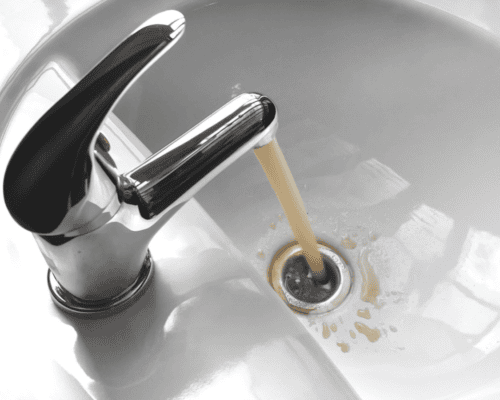
When the government acquires commercial or industrial property through eminent domain, environmental contamination can become one of the most consequential parts of the valuation.
This issue is particularly relevant in Los Angeles, where industrial properties may have decades of prior uses involving manufacturing, metal finishing, automotive operations, dry cleaning, fuel storage, chemical handling or warehousing. Those activities can raise concerns about soil, groundwater or soil-vapor contamination.
The government may try to diminish property value by talking about cleanup costs. But the important question is: How does the environmental condition actually affect what a knowledgeable buyer would pay for the property on the applicable valuation date?
John S. Peterson is a Los Angeles eminent domain attorney who represents property owners throughout Southern California. If your business has been targeted for eminent domain, Peterson Law Group PC can explain your legal options and help you fight for fair compensation.
How Can Contamination Affect Fair Market Value?
California measures compensation for property taken through eminent domain by its fair market value. California’s statutory definition focuses on the highest price that a willing seller and a willing, ready, and able buyer would agree to on the valuation date. Environmental conditions can matter because informed market participants may consider them when deciding what to pay.
California courts have recognized that contamination is a property characteristic that may affect its value. For example, in discussing Redevelopment Agency v. Thrifty Oil Co., a California appellate court noted that soil contamination resulting from a property’s former use as a gasoline station, along with the associated remediation costs, could properly be considered when determining the property’s value.
One legal case does not establish a universal dollar-for-dollar deduction for cleanup costs. But it does mean that the property’s environmental condition can be relevant to the valuation.
For contaminated industrial real estate, potential considerations may include:
- The type, location and extent of contamination
- Regulatory requirements affecting the site
- Expected remediation activities and their duration
- Restrictions on development or use
- Effects on financing and insurability
- Delays or uncertainty associated with redevelopment
- Buyer perceptions and marketability
- Whether contamination interferes with the property’s highest and best use
Remediation Cost Is Not the Same Thing as Diminution in Market Value
Remediation costs and diminution in market value are two important considerations when evaluating the effect of environmental contamination on a property. Although the two figures may overlap, they are not necessarily the same.
Remediation costs reflect the expenses associated with investigating, managing, or cleaning up an environmental condition. But diminution in market value refers to the reduction in the property’s market value resulting from that condition.
Consider a hypothetical industrial property worth $10 million. An environmental consultant estimates that remediation will cost $2 million. It does not automatically follow that the contaminated property’s fair market value is exactly $8 million.
The critical issue is what the environmental condition does to market value, not simply what number appears at the bottom of an environmental consultant’s cost estimate.
Several other factors may also come into play, including:
- The timing of remediation expenditures
- The property’s income-producing potential
- The nature and extent of the cleanup
- How market participants perceive the environmental condition
- Whether buyers may discount the property by less than the estimated remediation costs
- Other circumstances specific to the property and market
Contamination Can Affect Highest and Best Use
Environmental conditions may affect a property’s highest and best use. If contamination significantly increases redevelopment costs, delays regulatory approvals or limits excavation, it could influence whether a proposed redevelopment remains reasonably feasible.
The valuation impact will depend on the specific circumstances. An environmental condition that prevents or significantly limits a proposed redevelopment may affect a property differently than contamination that can be managed without substantially interfering with continued industrial operations.
When evaluating how contamination may affect a property’s highest and best use, relevant considerations may include:
- What contaminants are present
- Where the contamination is located on the property
- What investigation, remediation, or other measures regulators require
- Whether remediation can occur alongside redevelopment
- Whether contamination could delay or restrict the proposed use
- Whether the additional costs affect the economic feasibility of redevelopment
- Whether sophisticated market participants would still pursue the proposed use
Scrutinizing the Government’s Environmental Assumptions
Owners who are facing a commercial property taking in California should not focus exclusively on the agency’s appraised number. Instead, they should examine how the appraiser reached it.
Questions worth asking include:
- What environmental condition did the appraiser assume? Was contamination established, or was it merely suspected?
- What cleanup standard was assumed? Remediation requirements can depend on the property’s use and regulatory circumstances.
- What future use did the appraiser assume? A cleanup scenario based on one form of redevelopment may not correspond to the property’s actual highest and best use.
- How was remediation cost calculated? Determine whether the estimate reflects a supported scope of work or a broad contingency.
- Was the entire remediation figure deducted from property value? If so, what market evidence supports a dollar-for-dollar deduction?
Speak With an Experienced Los Angeles Eminent Domain Lawyer
John Peterson has decades of experience representing California property owners in eminent domain, inverse condemnation, and complex property valuation disputes. His professional honors include selection to Southern California Super Lawyers and recognition by Best Lawyers as Los Angeles “Lawyer of the Year” for Eminent Domain and Condemnation Law.
If you have questions about eminent domain or business valuation, call (213) 236-9720 to schedule a free consultation with John.
FAQs About Contamination and Industrial Property Evaluation in California
Can the government simply subtract the estimated cleanup cost from my property’s value?
Not necessarily. Remediation cost and diminution in market value are different concepts. A $1 million estimated cleanup cost does not automatically establish that a property is worth exactly $1 million less. A proper industrial property valuation should examine how the environmental condition affects what informed market participants would pay.
How can environmental contamination affect the value of industrial property?
Contamination may affect redevelopment plans, financing, regulatory obligations, construction schedules, marketability, remediation expenses, and a property’s highest and best use. These concerns can be particularly important for industrial real estate that was previously used for manufacturing, metal finishing, automotive operations, dry cleaning, fuel storage, or chemical handling. The relevant question is how those conditions influence fair market value as of the applicable valuation date.
What should I do if the government says contamination substantially reduces my property’s condemnation value?
Review the agency’s appraisal, environmental reports, assumed remediation scope, cleanup-cost estimates, valuation date, highest-and-best-use analysis, and comparable market evidence. Property owners should also preserve Phase I and Phase II reports, regulatory correspondence, remediation records, monitoring data, development plans, leases, and other relevant property documents. A Los Angeles eminent domain attorney can evaluate whether the agency’s contamination adjustment reflects demonstrated market-value effects or relies too heavily on unsupported environmental assumptions.
Call To Reach Us For A Prompt Response
Los Angeles Office: (213) 236-9720
Irvine Office: (949) 955-0127