
How Waterfront and Marina Properties Are Valued in California Eminent Domain Cases
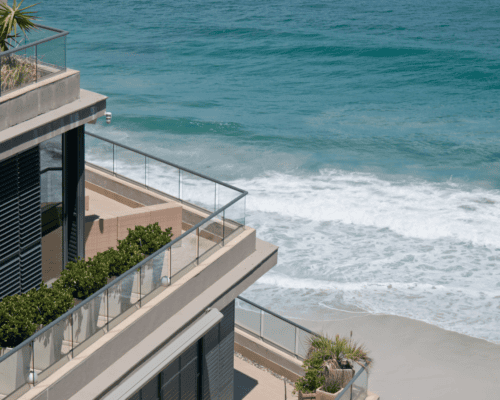
Owning waterfront or marina property in California comes with unique opportunities. But it can also lead to unique challenges when the government seeks to acquire your property through eminent domain.
Unlike traditional commercial or residential real estate, waterfront properties derive much of their value from features that cannot simply be replicated elsewhere. Water access, dock permits, marina income, environmental approvals, and coastal regulations all play significant roles in determining fair market value.
Unfortunately, government agencies often rely on appraisal methods that fail to capture the full economic potential of these highly specialized properties. If your marina, harbor-front business, yacht facility, or waterfront commercial property is affected by a public project, understanding how these assets are valued can help you protect your investment and pursue the compensation you deserve.
John Peterson is the Los Angeles eminent domain attorney at Peterson Law Group PC. He has decades of experience representing California property owners in complex condemnation matters involving specialized real estate. We understand the unique factors that influence waterfront property values, and we work to ensure every source of value is fully considered.
Why Waterfront Properties Are Different
Waterfront and marina properties are among the rarest types of commercial real estate in California. Their value extends far beyond the buildings sitting on the land.
These properties may include:
- Marinas
- Boat slips
- Yacht clubs
- Harbor-front restaurants
- Marine repair facilities
- Fuel docks
- Boat storage facilities
- Dry stack storage
- Waterfront industrial facilities
- Mixed-use coastal developments
Unlike traditional commercial properties, many of these businesses rely almost entirely on direct access to navigable water. Losing that access can fundamentally change the property’s usefulness and profitability.
Water Rights and Water Access Can Significantly Increase Value
One of the most important valuation factors is access to the water itself. Waterfront access cannot simply be recreated elsewhere. Depending on the location, a property may include:
- Direct harbor access
- Deep-water access
- Protected marina basins
- Navigable channels
- Exclusive docking rights
- Easements for vessel access
These rights may dramatically affect market value because they create opportunities unavailable to inland properties. For example, two commercial buildings of similar size may appear comparable on paper. However, the building with private marina access and boat slips may generate substantially higher revenue simply because of its waterfront location.
An appraisal that values only the land and buildings while ignoring these location-specific advantages may significantly undervalue the property.
Dock Permits and Government Approvals Are Valuable Assets
Many waterfront properties operate under permits that are difficult—or sometimes impossible—to replace. Examples include:
- Dock permits
- Marina operating permits
- Coastal Development Permits
- Army Corps of Engineers approvals
- State Lands Commission leases
- Harbor district permits
- Environmental authorizations
Obtaining these approvals often takes years of engineering studies, environmental review, and regulatory compliance. In many California coastal communities, new marina construction is heavily restricted or prohibited altogether.
Because these permits are so difficult to obtain, they often create substantial market value beyond the physical improvements themselves. Experienced eminent domain attorneys work closely with valuation experts to ensure these intangible but highly valuable rights are included in compensation calculations.
Marina Revenue Plays a Major Role
Unlike vacant land, marinas frequently generate multiple streams of recurring income. A thriving marina may produce reliable income year after year, making its earning potential one of its most valuable characteristics.
If an appraisal focuses primarily on replacement cost or land value without carefully analyzing business income attributable to the real estate, the resulting valuation may fail to reflect the property’s true market value.
Potential revenue sources include:
- Boat slip rentals
- Dry storage
- Long-term dock leases
- Fuel sales
- Marine repair services
- Boat maintenance
- Launch fees
- Equipment rentals
- Retail sales
- Restaurants
- Event space rentals
How Environmental and Coastal Regulations Affect Value
California’s coastal properties operate within one of the nation’s most heavily regulated environments. While these regulations can limit development, they also contribute to the scarcity of available waterfront properties.
Because obtaining approvals for new waterfront development is often difficult, existing permitted facilities may become significantly more valuable than comparable inland properties. Proper valuation requires understanding both the restrictions and the competitive advantages created by these regulatory environments.
Property value may be affected by:
- California Coastal Act requirements
- Wetland protections
- Habitat conservation rules
- Public access requirements
- Shoreline management restrictions
- Sea-level rise regulations
- Water quality standards
Lack of Comparable Sales Makes Valuation Difficult
One of the biggest challenges in valuing marina properties is the lack of comparable sales. Traditional real estate appraisals rely heavily on recent sales of similar properties. But waterfront properties rarely change hands.
Many waterfront and marina properties have been owned by the same families or companies for decades. Others are subject to long-term leases, public ownership, or unique operating agreements that make direct comparisons nearly impossible.
As a result, appraisers often need to combine several valuation methods, including:
- Sales comparison approach
- Income capitalization approach
- Cost approach
- Highest and best use analysis
Real-World Scenario: Marina Expansion Project
Imagine a coastal city plans to widen a public waterfront promenade. To complete the project, the government acquires part of a privately owned marina. Although only several boat slips are physically taken, the acquisition also eliminates docking access for larger vessels.
As a result:
- Slip occupancy declines.
- Fuel sales decrease.
- Restaurant traffic falls.
- Maintenance revenue drops.
- Long-term tenants relocate.
If compensation only reflects the value of the land physically acquired, the owner may receive far less than the actual economic loss suffered. A thorough eminent domain analysis examines how the taking affects the property’s overall market value and income-producing capacity.
Speak With an Experienced Los Angeles Waterfront and Marina Properties Eminent Domain Lawyer
Marinas and waterfront commercial properties represent far more than land along the water. Their value often comes from scarce locations, longstanding regulatory approvals, income-producing operations, and access rights that cannot easily be duplicated.
When public agencies overlook these factors, property owners may receive offers that fail to reflect the property’s true market value.
If your marina, harbor-front business, or waterfront property is facing eminent domain anywhere in California, experienced legal representation is critical. John Peterson has spent decades helping property owners challenge inadequate government valuations and pursue the full compensation the law allows.
Contact us at (213) 236-9720 to discuss your eminent domain matter and learn how an experienced legal team can evaluate the unique value of your waterfront property.
FAQs About Eminent Domain and Waterfront and Marina Properties
How are waterfront and marina properties valued in California eminent domain cases?
Waterfront and marina properties are valued using specialized appraisal methods that consider much more than the land itself. Factors such as water access, marina permits, income generated from boat slips and related services, environmental regulations, and the scarcity of comparable properties all contribute to determining fair market value. Depending on the property, appraisers may use the income, sales comparison, and cost approaches together.
Why are marina permits and dock approvals important when determining value?
Dock permits, Coastal Development Permits, harbor approvals, and other regulatory authorizations can significantly increase a property’s value because they are often difficult or impossible to replace. A marina with long-established permits may be far more valuable than similar waterfront land without those approvals, making them an important consideration in eminent domain compensation.
Can income from boat slips and marina operations affect compensation?
Yes. Revenue generated from boat slip rentals, dry storage, fuel sales, marine services, restaurants, and other waterfront operations can be an important factor in valuing an income-producing marina. If a government appraisal overlooks these revenue streams, it may underestimate the property’s true market value.
Why is it difficult to compare waterfront properties to other real estate?
Waterfront and marina properties are relatively rare, and they seldom sell on the open market. Their unique locations, access to navigable water, regulatory approvals, and specialized improvements often make it difficult to find truly comparable sales. As a result, experienced appraisers frequently rely on multiple valuation methods to determine fair market value.
Call To Reach Us For A Prompt Response
Los Angeles Office: (213) 236-9720
Irvine Office: (949) 955-0127